How Long Does Asphalt Repair Last? What Raleigh Driveways and Lots Can Expect
Asphalt repair longevity is a common concern for property owners in the Triangle. Whether you have a residential driveway in North Hills or a commercial parking lot near Downtown Raleigh, understanding repair lifespans helps you make smarter maintenance decisions. This guide covers how long different types of repair last, what affects that lifespan, and how North Carolina's climate plays a specific role for Raleigh, NC, repair projects.
How Long Does Each Type of Asphalt Repair Last?
The lifespan of an asphalt repair depends heavily on which method is used.
Crack Filling
Crack filling applies a rubberized or hot-pour filler to hairline or moderate cracks to prevent water intrusion. This method lasts one to three years under normal traffic conditions. In Raleigh, NC, where summer heat pushes pavement temperatures well above air temperature, filler materials may soften faster, so annual inspection is a smart habit.
Pothole Patching
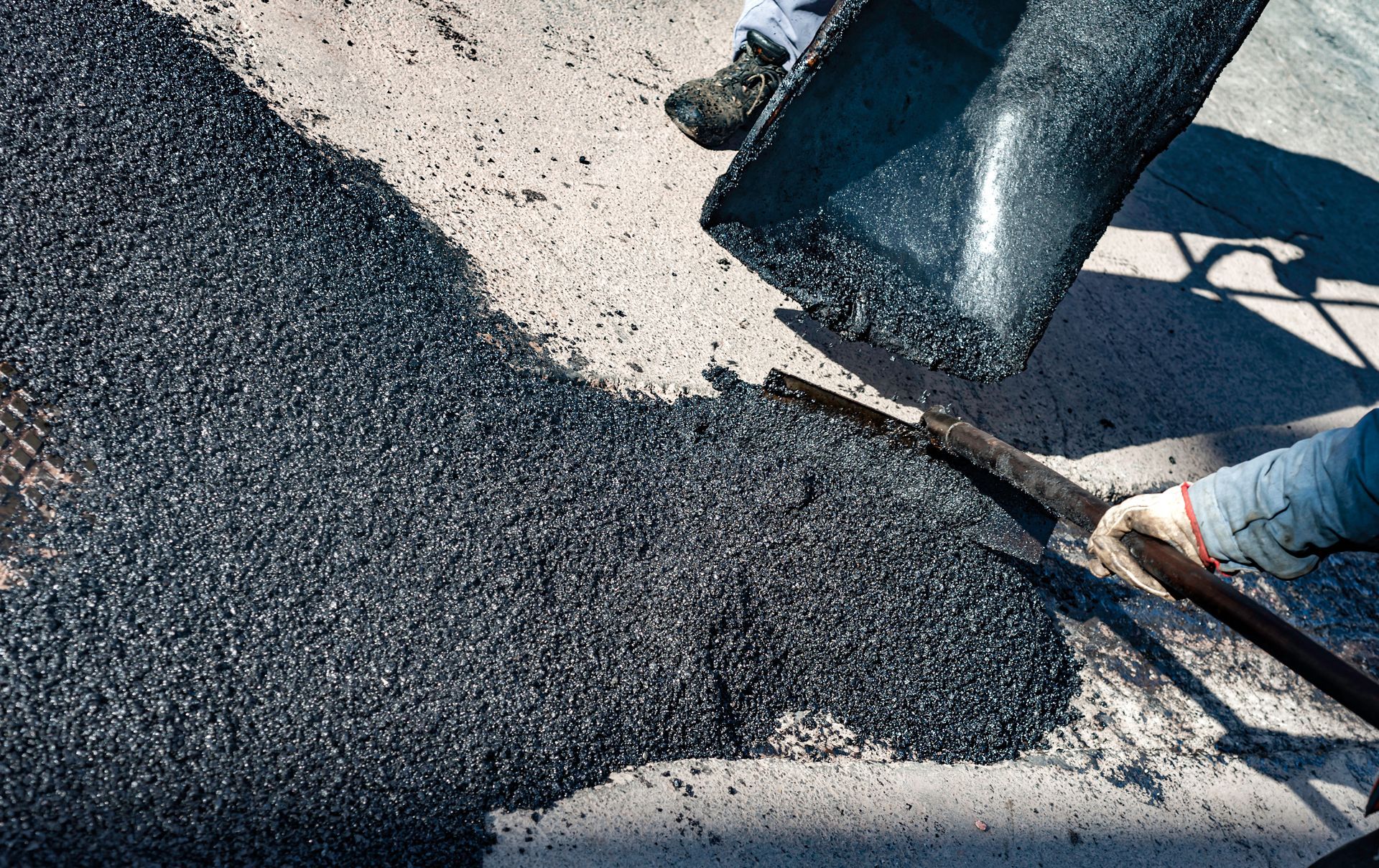
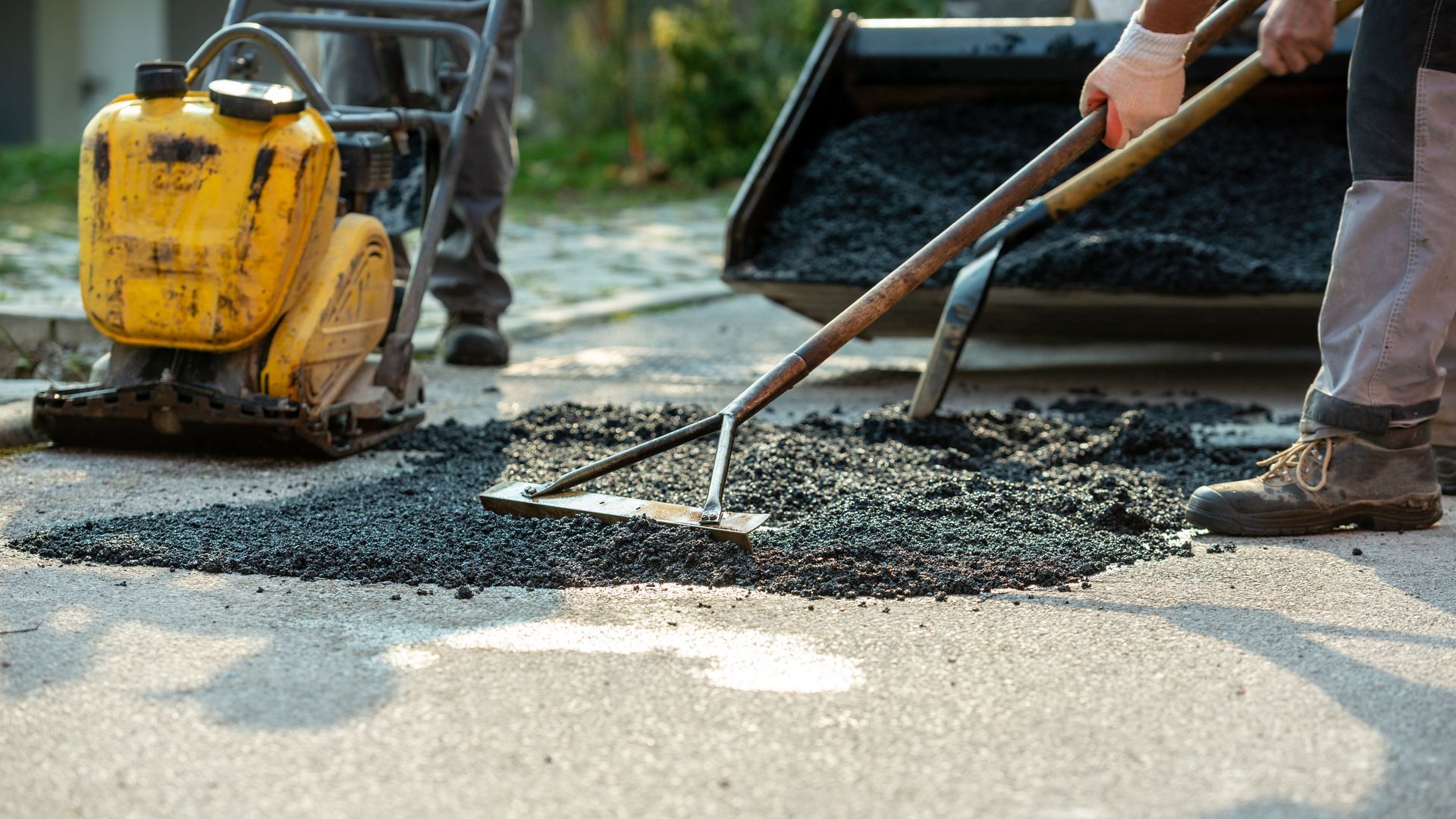
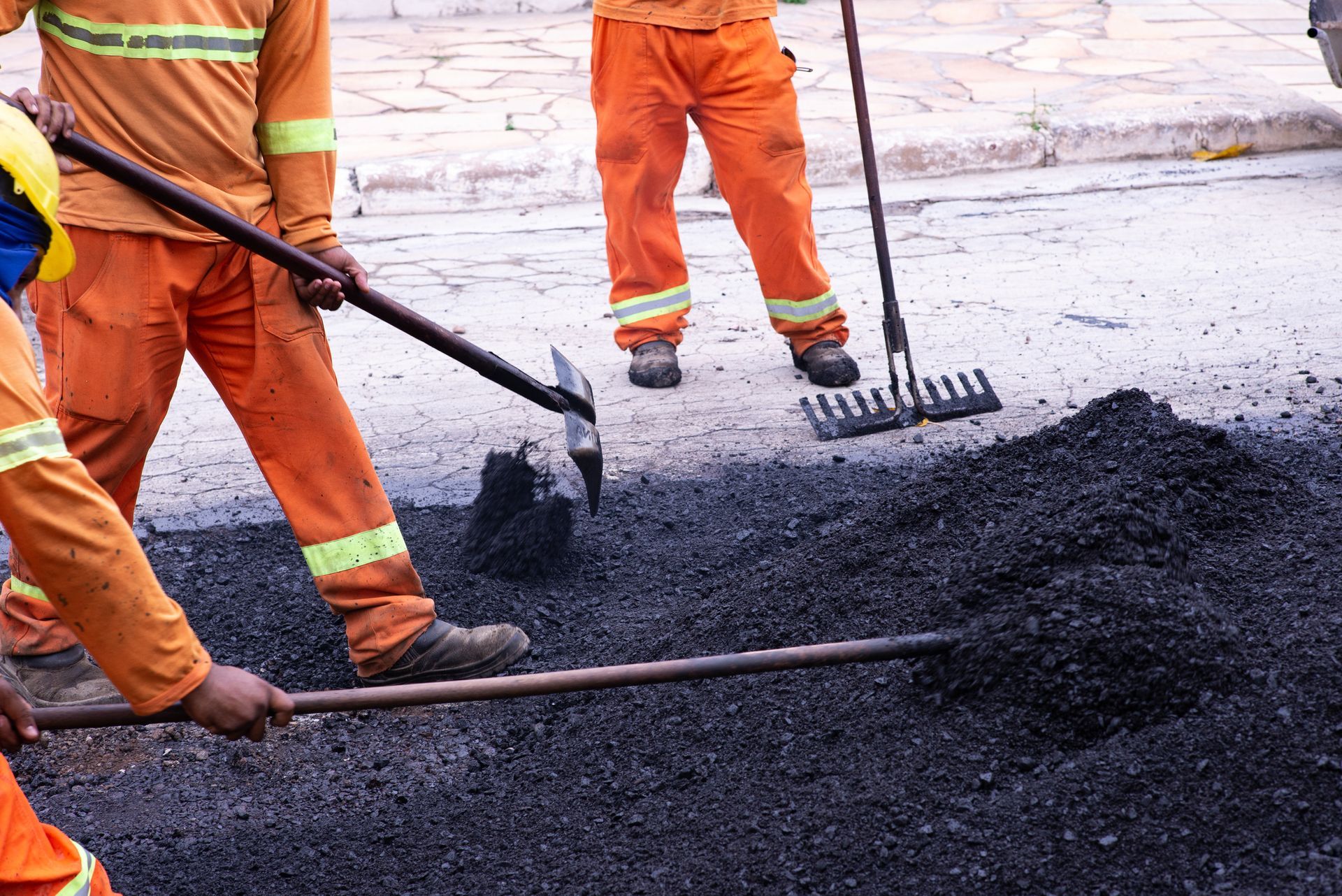
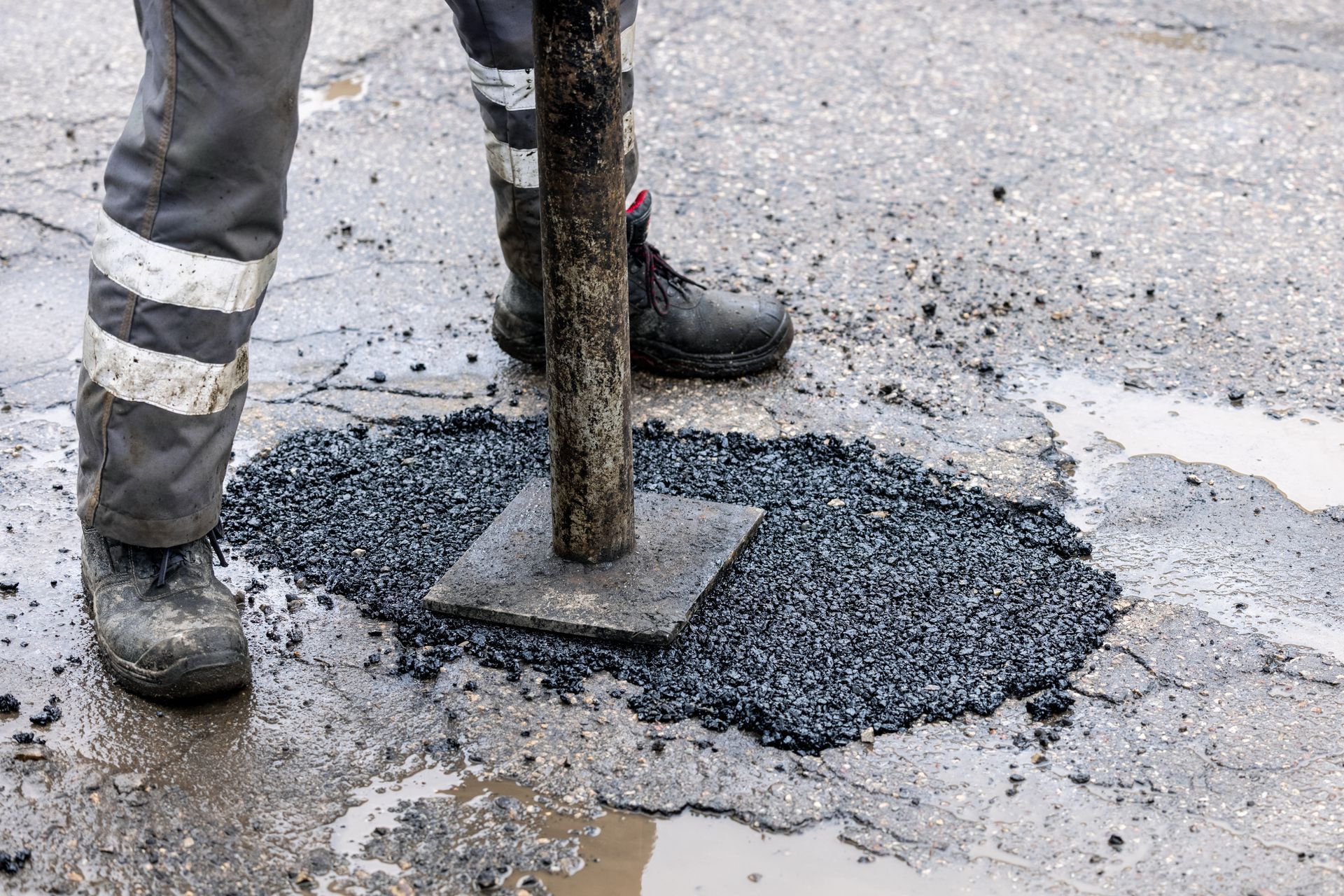
Pothole patching cuts out damaged material and fills the area with fresh asphalt mix. A professionally executed patch can last three to five years or longer, depending on traffic volume and drainage conditions. Poor water runoff or heavy truck traffic shortens patch life noticeably.
Asphalt Resurfacing (Overlay)
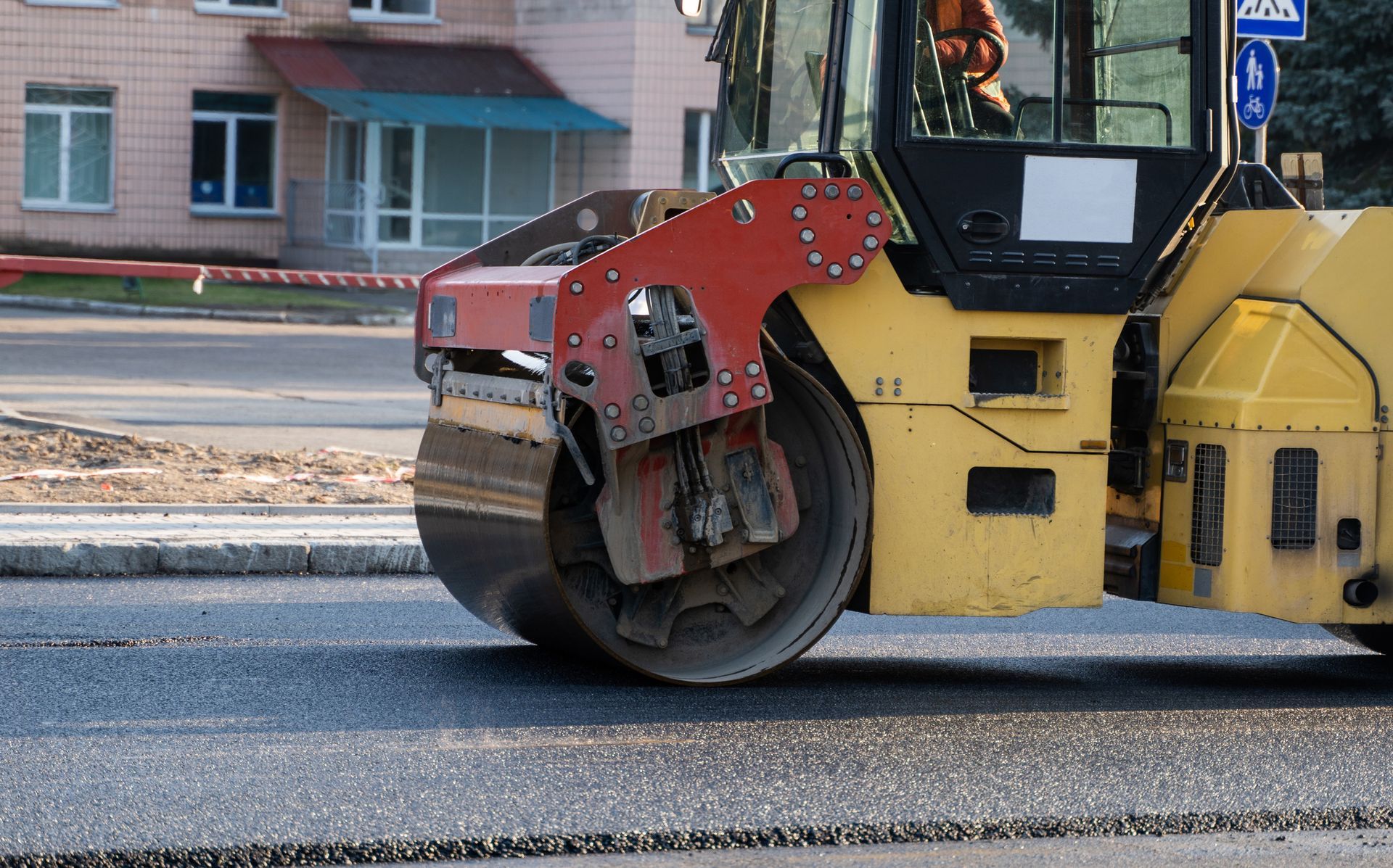
Resurfacing places a new asphalt layer over an existing base. When the base is still structurally sound, this option extends pavement life by eight to fifteen years and is often the most cost-effective path before full replacement becomes necessary.
What Factors Affect How Long Asphalt Repairs Last?
Drainage and Water Management
Water is the leading enemy of asphalt in any climate. Poor drainage allows moisture to seep under the surface, weaken the base layer, and accelerate cracking. Properties in flatter Raleigh neighborhoods near Brier Creek or Lake Lynn can be especially prone to standing water after heavy rain. Proper grading during repair work may significantly extend the life of a patch or overlay.
Traffic Load
The heavier and more frequent the traffic, the faster any repair wears. A residential driveway in Cameron Village will age very differently than a commercial lot receiving daily delivery trucks. Matching the repair method and material mix to actual traffic load is essential for a durable result.
Sealcoating
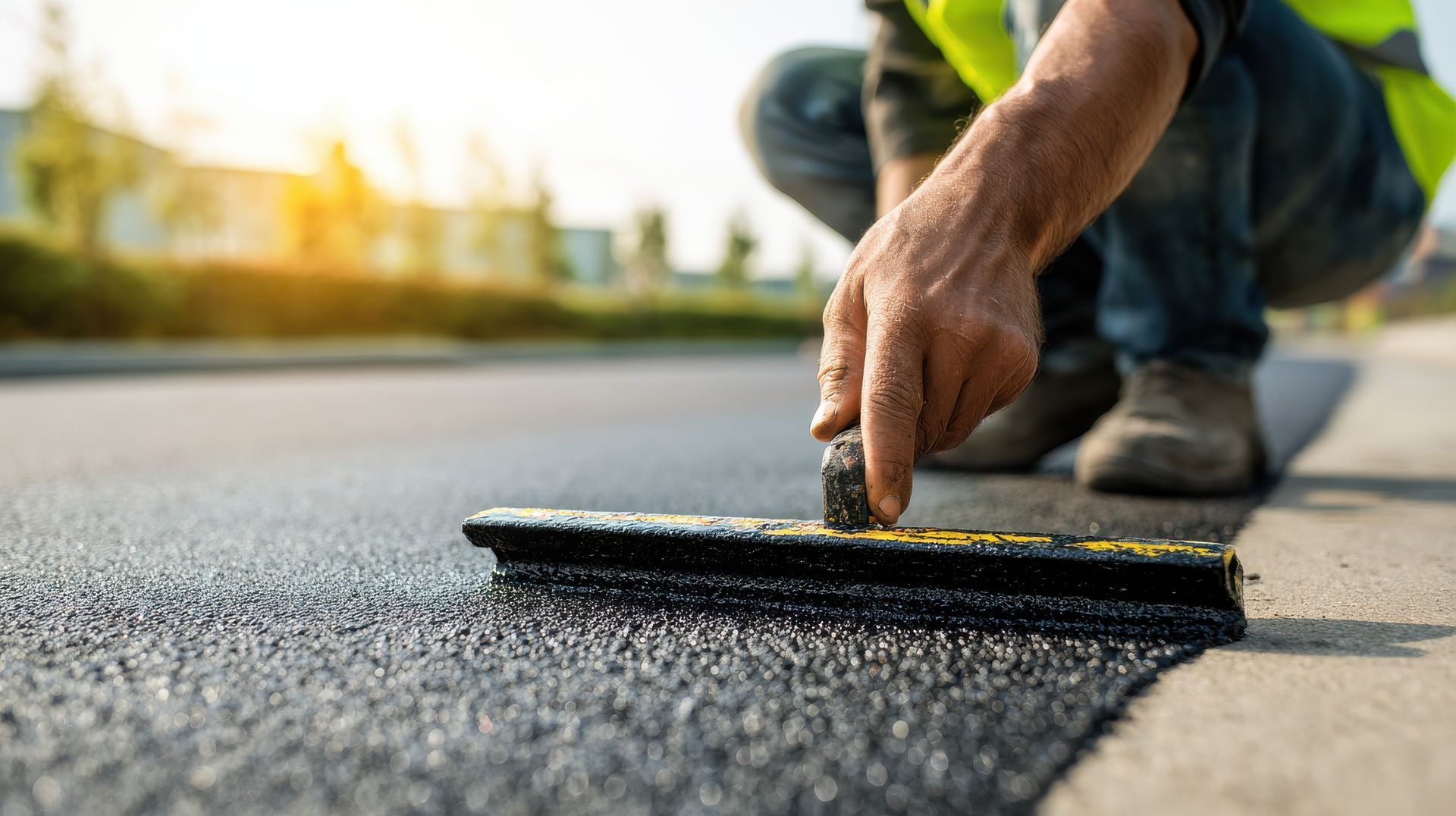
Sealcoating is one of the most effective ways to extend repair life. A quality sealcoat protects against UV rays, fuel spills, and moisture. In North Carolina's climate, with intense summer sun and winter freeze-thaw cycles, sealcoating every two to three years can meaningfully add to pavement life.
North Carolina Climate Impact
Raleigh experiences a humid subtropical climate with hot summers, mild winters, and occasional ice events. Summer heat causes pavement to expand and soften, while winter freezes create contraction and cracking. Ice events can push water into micro-cracks and cause rapid deterioration. Repairs done with materials rated for these temperature swings hold up noticeably better than standard patches.
Maintenance Schedule Recommendations for Raleigh Property Owners
A simple maintenance routine can significantly delay major repair work. Inspect your pavement every spring after winter weather passes and fill hairline cracks before water penetrates the base layer. Sealcoat repaired surfaces every two to three years, or as recommended after a professional assessment. Re-inspect patched potholes after the first winter to check for settling or edge separation. Schedule a professional evaluation if you notice alligator cracking, which signals base failure rather than surface wear.
Staying on top of small issues is almost always less costly than waiting. A crack left untreated through one Raleigh summer and winter cycle can easily expand into a pothole by the following spring.
Frequently Asked Questions About Asphalt Repair Lifespan
Does Weather in Raleigh Shorten Asphalt Repair Life?
Yes. The combination of summer heat, humidity, and winter freeze-thaw cycles puts extra stress on patch materials and sealants. Using professional-grade materials and scheduling repairs during moderate temperatures helps repairs set properly and last longer.
Is Crack Filling Worth It If I Plan to Resurface Soon?
Crack filling is still a worthwhile short-term measure even if resurfacing is planned within a year or two. It prevents water from undermining the base layer, helping ensure the resurfacing job bonds to a stable foundation.
How Do I Know If I Need a Patch or a Full Resurfacing?
If damage is limited to isolated spots with a structurally sound base, patching may be the right approach. Widespread cracking, deterioration across a large area, or significant rutting usually makes resurfacing a more economical and lasting solution than repeated patching.
Can Sealcoating Be Applied Over a Repaired Area?
Yes. Sealcoating can generally be applied over repaired areas once the patch material has fully cured, typically at least a few days. Applying sealcoat after repair work unifies the surface appearance and adds a protective barrier against the elements.
Ready to Schedule a Raleigh Asphalt Estimate?
Getting a professional assessment is the clearest way to know what your driveway or lot needs and how long the right repair can be expected to last. Serving Raleigh, NC, and surrounding Triangle communities, Ace Asphalt brings decades of local paving experience to every project, from crack filling and patching to full resurfacing and sealcoating. Visit the asphalt repair page to learn more, or call (919) 732-0877 to schedule your free estimate today.