The Complete Guide to Asphalt Repair in Raleigh, NC, for Homeowners and Businesses
If you own a home or business in Raleigh, maintaining your pavement is essential, and that’s where asphalt repairing comes into play. Asphalt is a durable and flexible material, but it is not immune to deterioration. Over time, exposure to ultraviolet (UV) rays, heavy rainfall, fluctuating temperatures, and constant traffic can break down the binding agents within the asphalt, leading to cracks, surface fading, and structural weakening. In North Carolina, seasonal changes, particularly heat in the summer and occasional freeze-thaw cycles in the winter, accelerate this process, making routine maintenance even more critical. Small issues such as hairline cracks may seem minor at first, but they can quickly evolve into more serious problems if left untreated. Water infiltration is one of the primary causes of asphalt failure; once moisture penetrates the surface, it can weaken the base layer and lead to potholes, rutting, and widespread damage. This is why proactive repairing is not just about aesthetics; it is a preventative measure that protects the structural integrity of your pavement. For homeowners, a well-maintained driveway enhances curb appeal and property value while providing a safe, smooth surface for vehicles and foot traffic. For commercial properties, properly maintained asphalt is even more critical, as it directly impacts safety, accessibility, and the overall impression customers or clients have of the business. Uneven or damaged pavement can pose liability risks and may lead to increased maintenance costs over time.
Understanding the Most Effective Asphalt Repair Methods
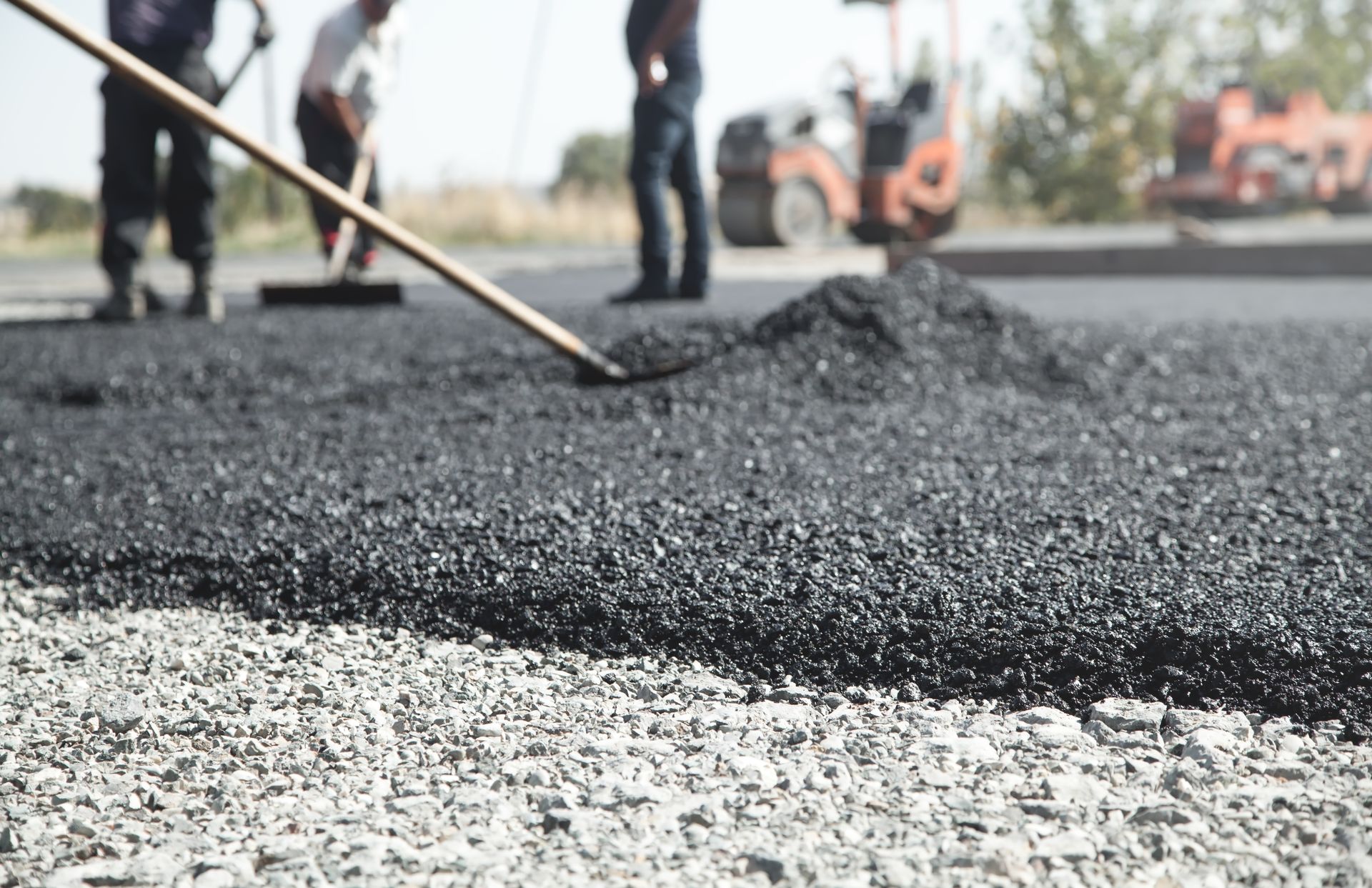
Maintaining asphalt surfaces requires selecting the right repair method based on the type and severity of damage. Each technique serves a specific purpose, helping restore durability, improve safety, and extend the lifespan of the pavement. A strategic approach to asphalt repairing not only enhances appearance but also protects the underlying structure from further deterioration caused by traffic, moisture, and environmental conditions.
Below are the most commonly used repair methods and how they work:
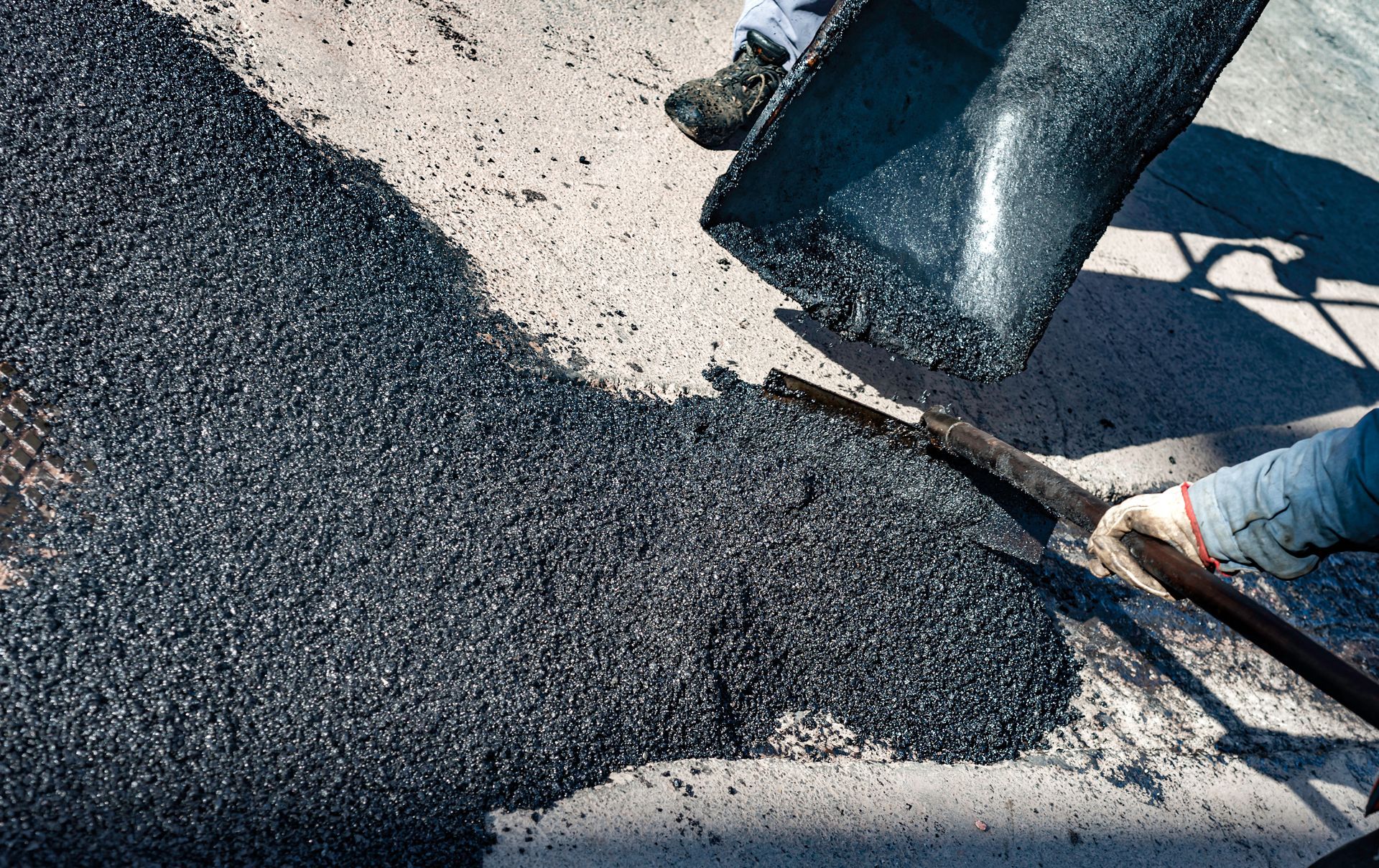
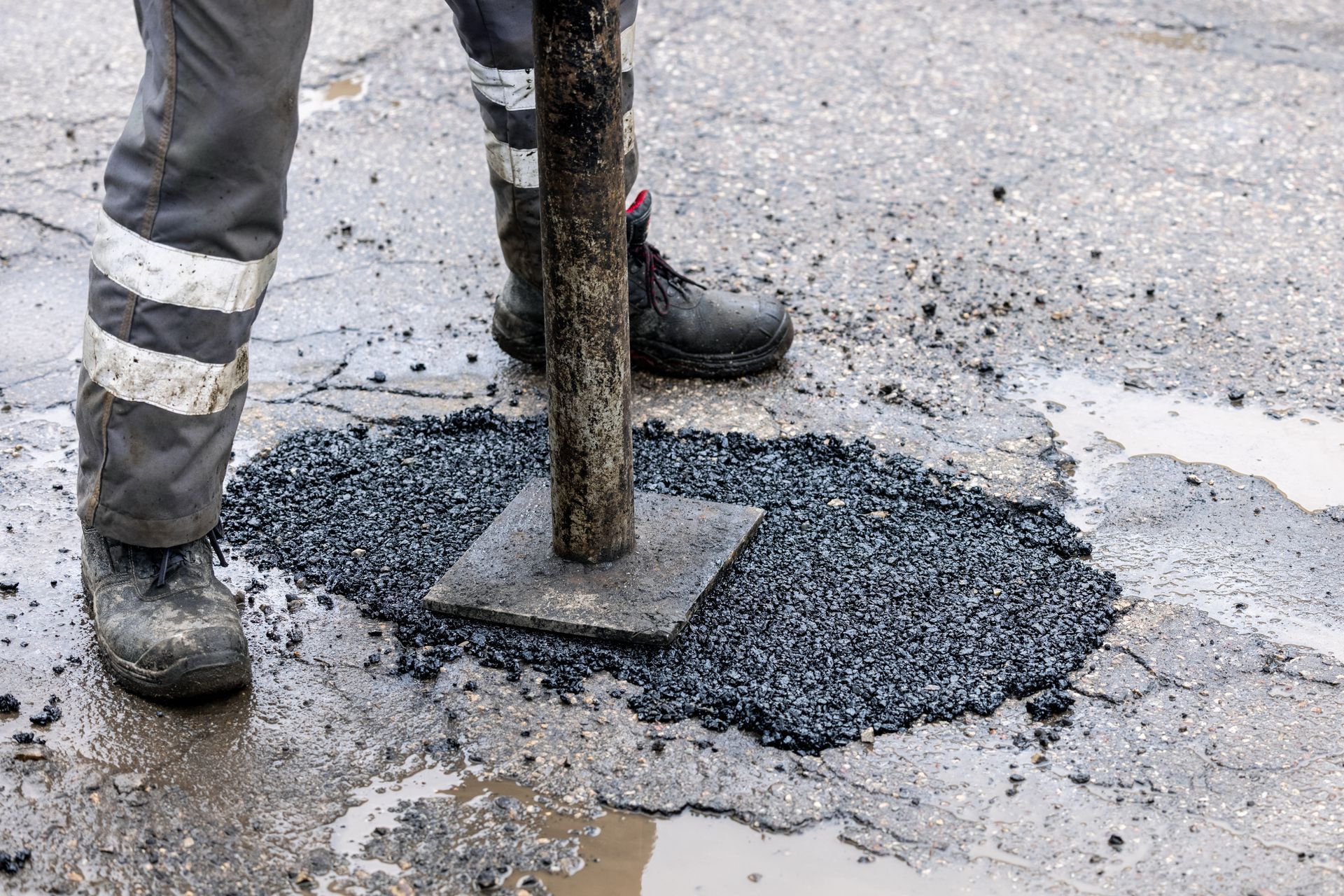
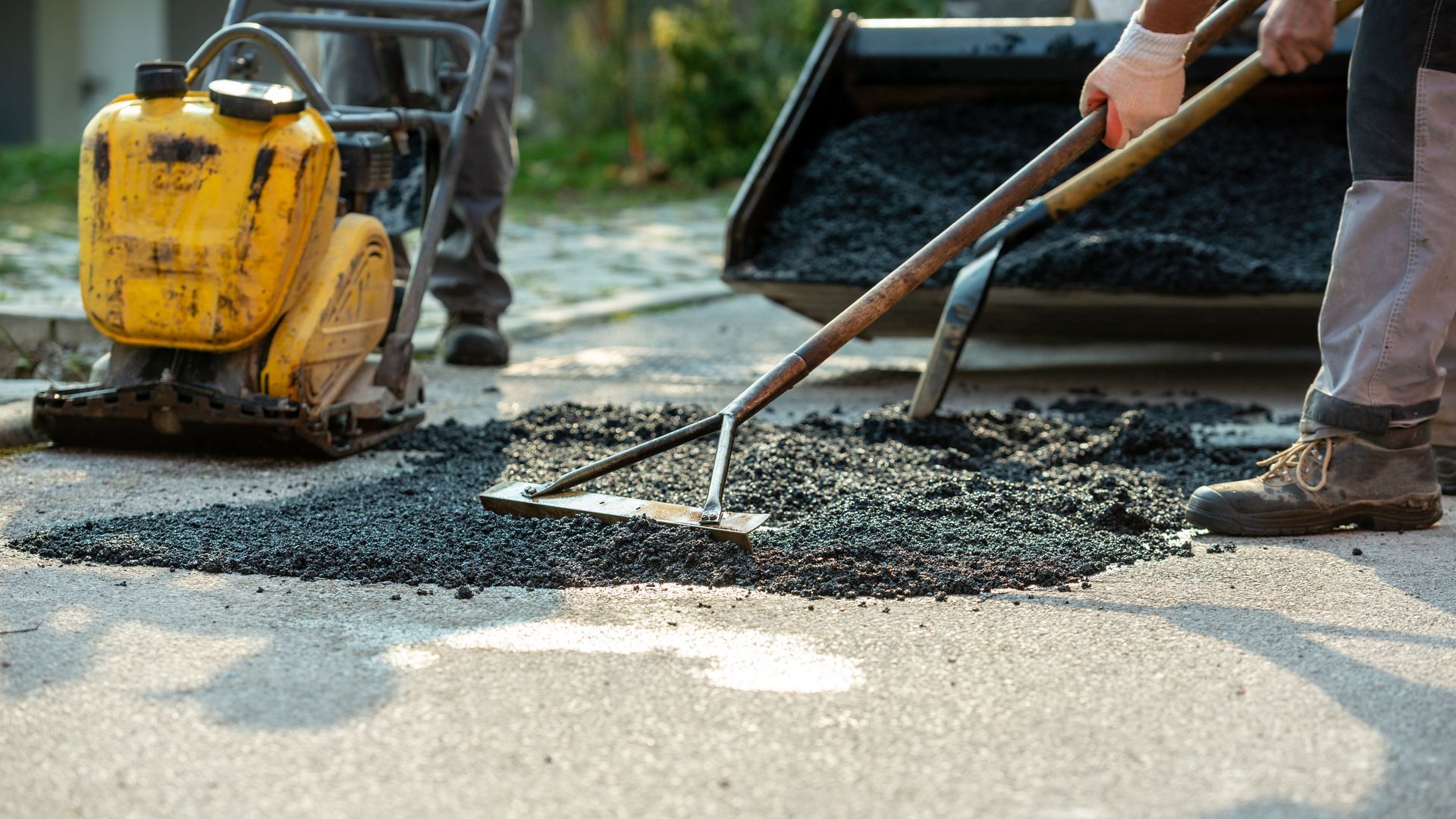
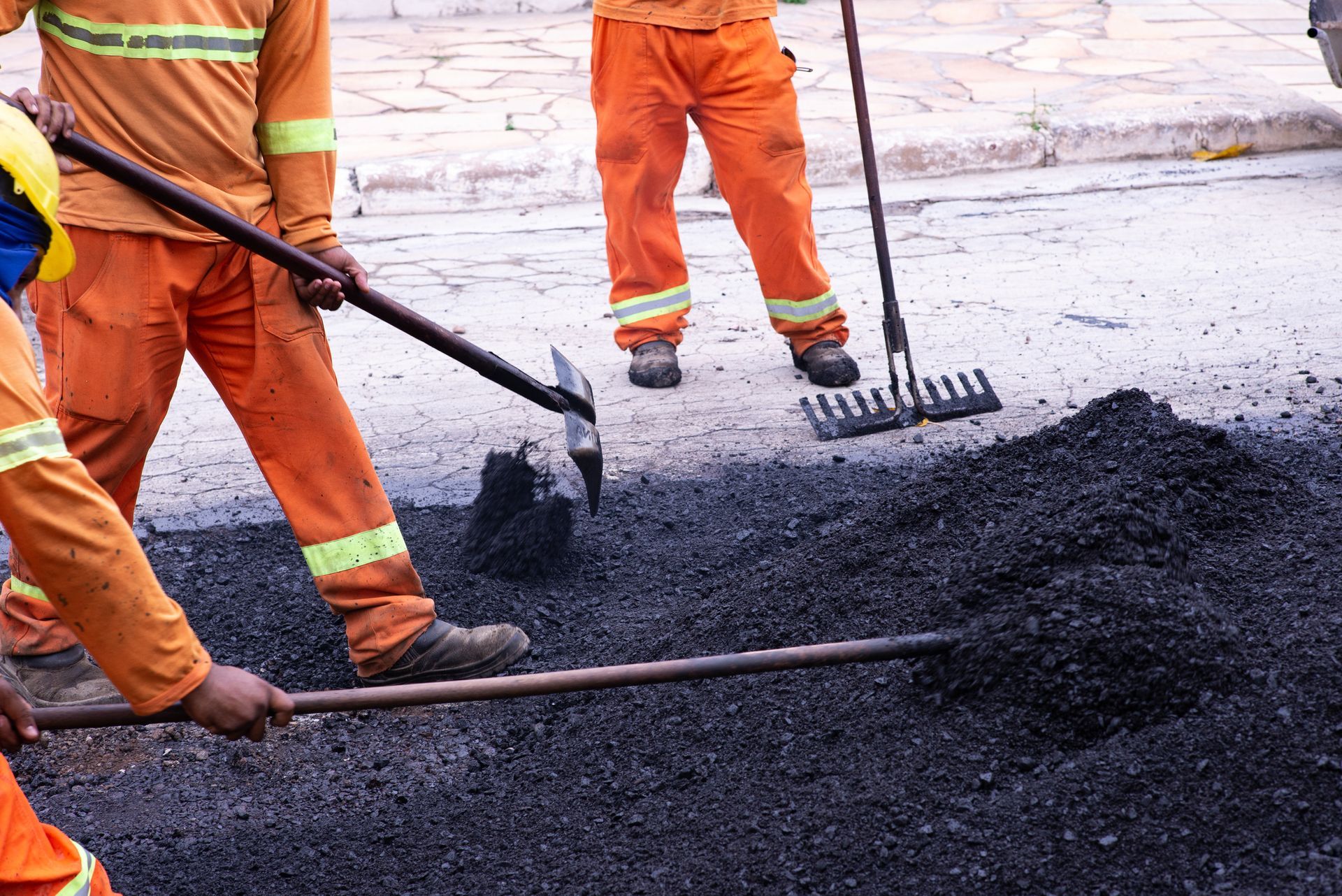
- Patching: This method is designed to fix localized damage such as potholes, depressions, or severely cracked areas. The damaged asphalt is cut out, the base is inspected and repaired if necessary, and new asphalt is installed and compacted. Patching is a cost-effective solution for targeted repairs and helps prevent damage from spreading.
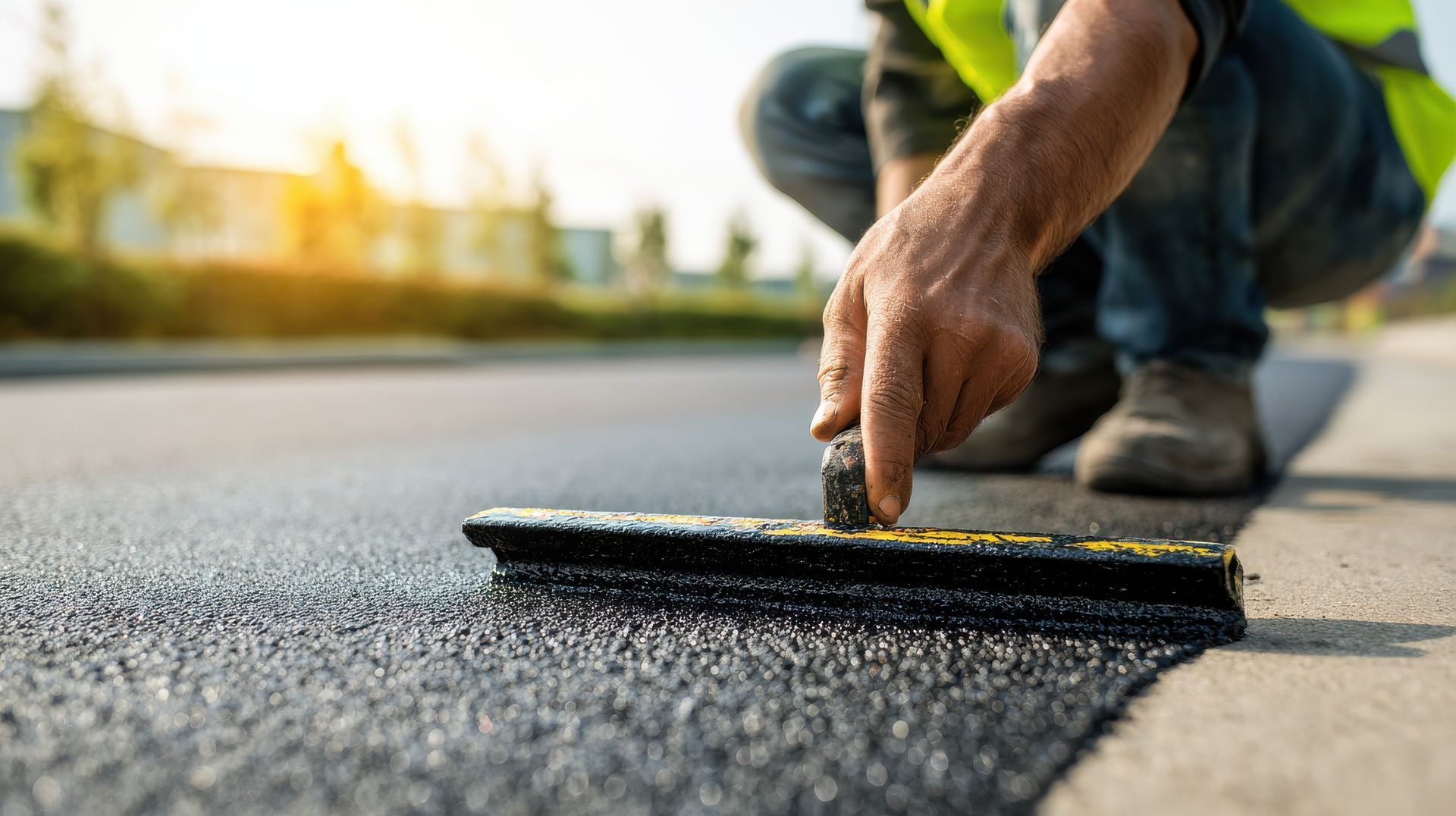
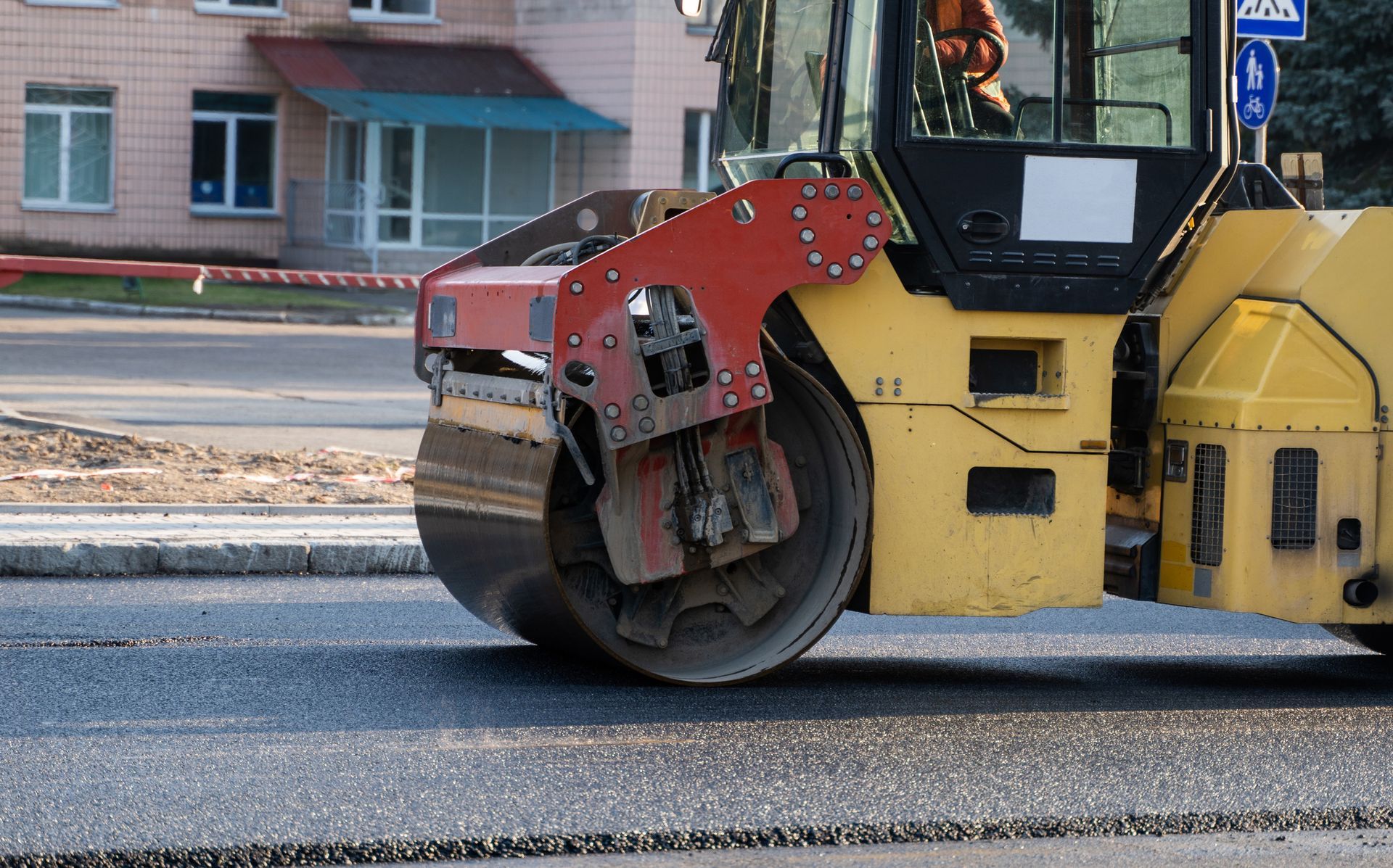
- Resurfacing (Overlay): When the asphalt surface shows widespread wear, such as multiple cracks, fading, or minor surface deformities, but the foundation is still stable, resurfacing is often the best option. A new layer of asphalt is applied over the existing surface, creating a smooth, like-new finish while reinforcing the pavement’s strength.
- Sealcoating: This preventative maintenance method involves applying a protective coating over the asphalt surface. Sealcoating acts as a barrier against harmful elements like UV rays, water penetration, oil spills, and oxidation. It also restores the dark, fresh appearance of asphalt and is typically recommended every few years to maintain optimal condition.
Key Differences Between Residential and Commercial Asphalt Repairs
While both residential driveways and commercial parking lots are constructed using similar materials, the approach to repair and maintenance differs significantly due to variations in traffic demands, safety requirements, and overall scale. These differences influence everything from the type of damage that occurs to the repair methods used. A well-structured asphalt repairing plan considers these factors to ensure the pavement remains safe, functional, and long-lasting in its specific environment.
Below are the main differences that set residential and commercial repairs apart:
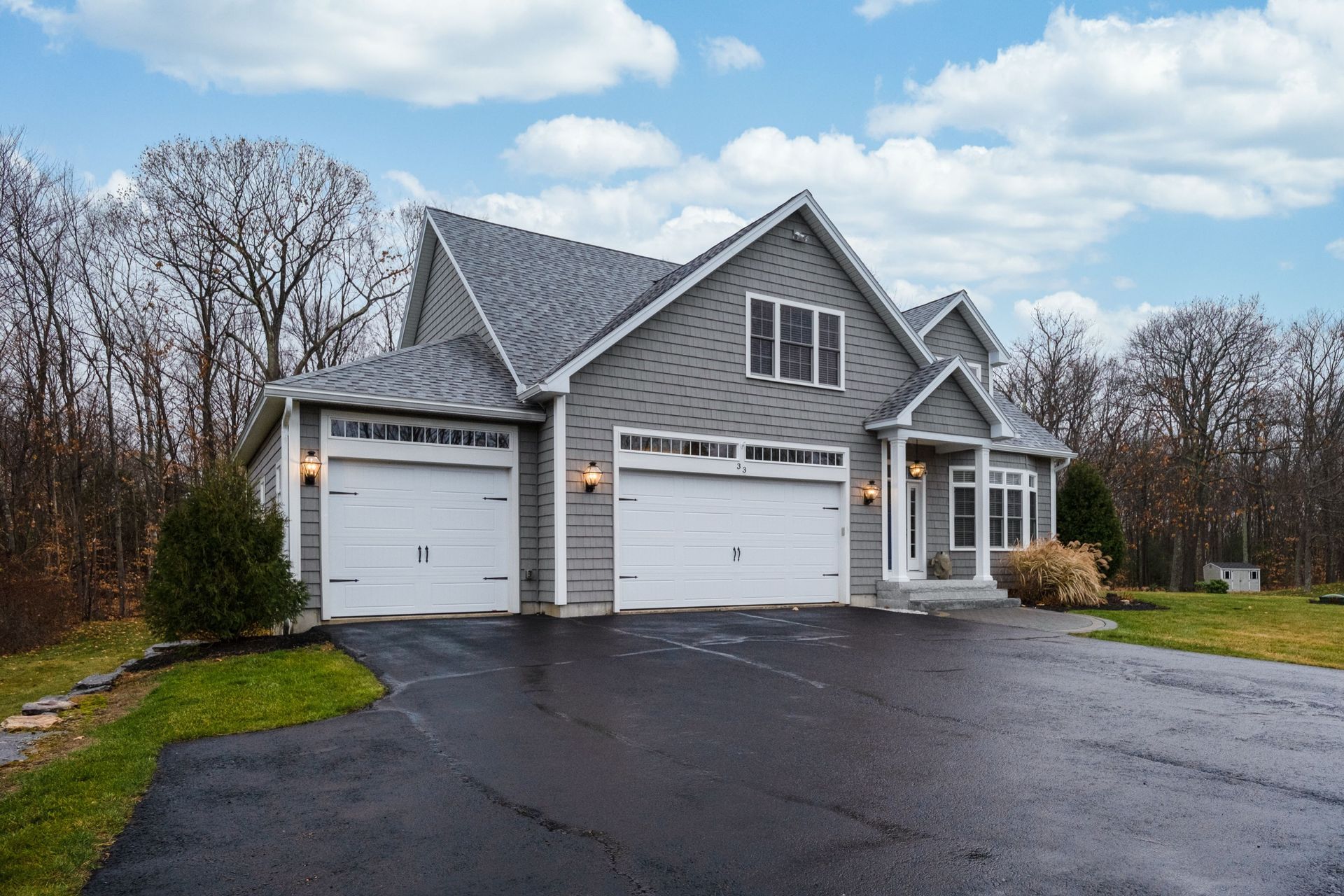
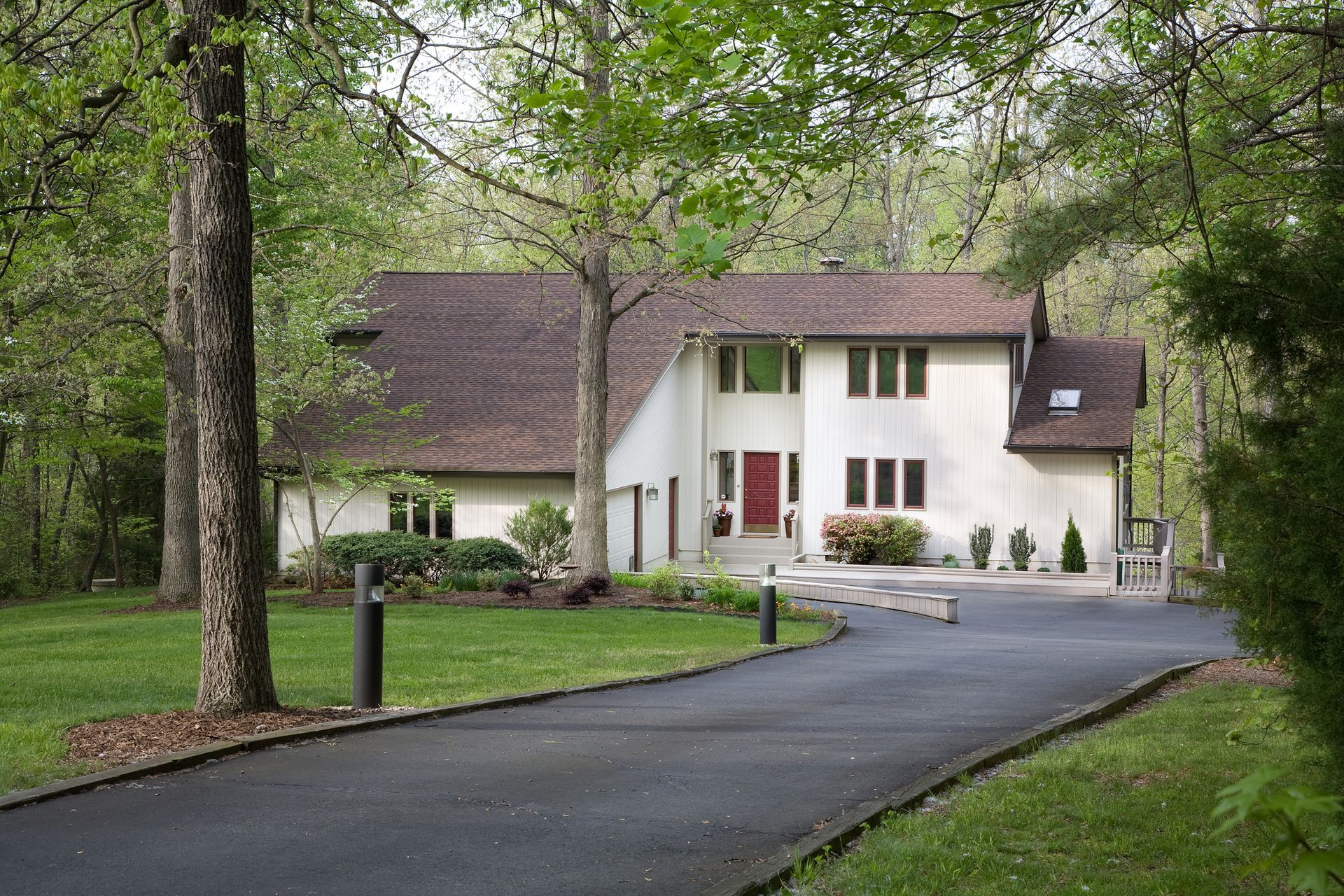
- Traffic Load and Usage: Residential driveways are primarily used by light vehicles and experience limited daily traffic. In contrast, commercial parking lots must endure constant vehicle movement, including delivery trucks and heavier loads, which accelerates wear and requires more durable repair solutions.
- Project Size and Scope: Driveway repairs are typically smaller in scale and can often be completed quickly. Commercial projects, however, involve larger surface areas and more complex logistics and may require phased repairs to avoid disrupting daily operations.
- Structural Design and Thickness: Commercial asphalt surfaces are built with a thicker base and multiple layers to support heavy traffic and prevent structural failure. Residential driveways generally have a thinner structure, focusing more on surface-level integrity and smoothness.
- Types of Damage: Residential asphalt commonly develops minor cracks, edge deterioration, or surface fading. Commercial lots are more prone to extensive cracking, rutting, potholes, and surface deformation due to higher stress levels.
- Regulations and Compliance: Commercial properties must meet specific safety and accessibility standards, including proper striping, signage, drainage, and ADA compliance. Residential properties are not subject to these strict regulatory requirements.
- Maintenance Frequency and Planning: Due to higher usage, commercial asphalt requires more frequent inspections, preventative maintenance, and timely repairs. Residential driveways, while still needing regular care, typically require less frequent intervention.
Understanding the Key Cost Factors of Asphalt Repairs in Raleigh, NC
The cost of repairs can vary widely depending on several important factors, making it essential for property owners to understand what influences pricing. From the extent of damage to site conditions and material quality, each element plays a role in determining the final investment when planning for asphalt repairing.
Below are the primary factors that impact the cost of repairs:
- Extent and Severity of Damage: Minor cracks and surface wear are less expensive to fix, while deep potholes or structural failures require more intensive labor and materials.
- Size of the Area: Larger driveways or parking lots require more asphalt, equipment, and labor, which increases overall costs.
- Type of Repair Method: Simple crack filling is more affordable, whereas resurfacing or full-depth patching involves higher costs due to additional materials and time.
- Labor and Equipment Requirements: Professional-grade equipment and experienced crews ensure quality results but can influence pricing compared to basic or temporary fixes.
- Site Conditions and Accessibility: Areas with poor drainage, uneven terrain, or limited access may require extra preparation work, adding to the total cost.
- Material Quality: Higher-quality asphalt mixes and sealants offer better durability and longevity, which may increase upfront costs but reduce future repairs.
How Often Asphalt Should Be Maintained in North Carolina
Due to North Carolina’s climate, characterized by hot summers, heavy rainfall, and occasional freeze-thaw cycles, asphalt surfaces require consistent and proactive maintenance to remain in optimal condition. Environmental exposure, combined with daily traffic, accelerates wear and tear, making routine care essential for preventing costly damage. Establishing a regular maintenance schedule is a key part of effective asphalt repairing, helping extend the lifespan of both residential and commercial pavement.
Below is a general guideline for how often different types of asphalt maintenance should be performed:
- Sealcoating: Every 2–3 years to protect against UV rays, moisture, and chemical spills while preserving the surface’s appearance.
- Crack Filling: As soon as cracks appear, regardless of size, to prevent water infiltration and further structural damage.
- Routine Inspections: At least once a year to identify early signs of wear such as fading, minor cracks, or drainage issues.
- Patching Repairs: Performed as needed when potholes or localized damage develop to restore safety and functionality.
- Resurfacing: Typically every 8–15 years, depending on traffic volume and overall pavement condition.
Benefits of Hiring Professionals vs. DIY Asphalt Repairs
When asphalt damage appears, many property owners consider whether to handle repairs themselves or hire experienced professionals. While DIY solutions may seem convenient, they often provide only temporary fixes and may not address underlying structural issues. Choosing the right approach is essential for ensuring durability, safety, and long-term value. A strategic decision regarding asphalt repairing can significantly impact the lifespan and performance of your pavement.
Below are the key differences between professional services and DIY repairs:
- Quality of Workmanship: Professionals use industry-grade materials, advanced equipment, and proven techniques to deliver long-lasting results, while DIY methods often lack proper compaction and durability.
- Accurate Problem Diagnosis: Experts can identify underlying issues such as base failure, drainage problems, or subsurface damage that may not be visible to the untrained eye.
- Time Efficiency: Professional crews complete projects efficiently with minimal disruption, whereas DIY repairs can be time-consuming and may require multiple attempts.
- Long-Term Cost Savings: Although DIY may seem less expensive upfront, professional repairs reduce the likelihood of recurring damage and costly future fixes.
- Safety and Compliance: Professionals follow safety standards and, in commercial settings, ensure compliance with regulations such as proper grading, striping, and accessibility requirements.
- Durability and Performance: Expert repairs are designed to withstand traffic loads and environmental conditions, providing a longer-lasting and more reliable surface.
Why Consistent Asphalt Repairs Extend Pavement Lifespan in Raleigh, NC
Regular maintenance is one of the most important factors in preserving the strength and longevity of asphalt surfaces, especially in a climate like Raleigh’s where heat, rain, and occasional freezing conditions can accelerate deterioration. Small issues such as cracks or surface wear may seem minor, but if left untreated, they can quickly develop into more serious structural problems. Implementing a proactive approach to asphalt repairing helps prevent damage from spreading, reduces long-term costs, and ensures the pavement remains safe and functional for years to come.
Below are the key reasons why consistent repairs are essential:
- Prevents Water Infiltration: Sealing cracks early stops water from penetrating the surface and weakening the base layer, which is a leading cause of potholes.
- Stops Damage from Spreading: Addressing minor issues promptly prevents them from expanding into larger, more expensive repairs.
- Maintains Structural Integrity: Regular repairs help preserve the strength of the pavement, allowing it to withstand traffic and environmental stress.
- Improves Safety: Smooth, well-maintained surfaces reduce hazards for both vehicles and pedestrians.
- Enhances Appearance: Consistent upkeep keeps asphalt looking clean, uniform, and professional, which is especially important for commercial properties.
- Extends Overall Lifespan: Proactive maintenance can significantly delay the need for full replacement, maximizing the return on your investment.
Don’t let minor pavement issues turn into costly repairs; take the first step toward long-lasting results with professional asphalt repairing. Contact us today to discuss your asphalt needs and get expert guidance tailored to your property.